



Description
Rubber Shock Absorbers and Anti-Vibration Feet
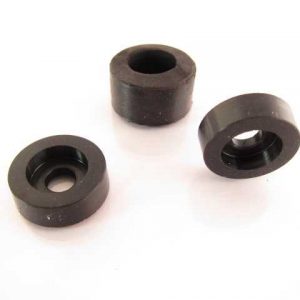
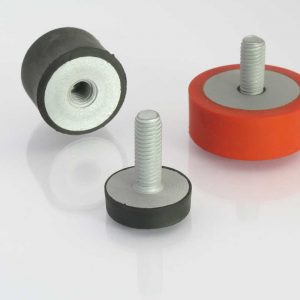
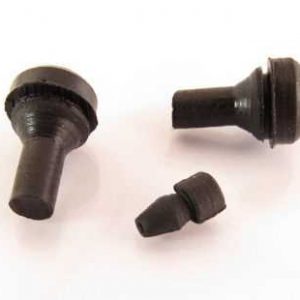
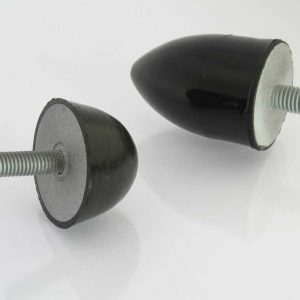
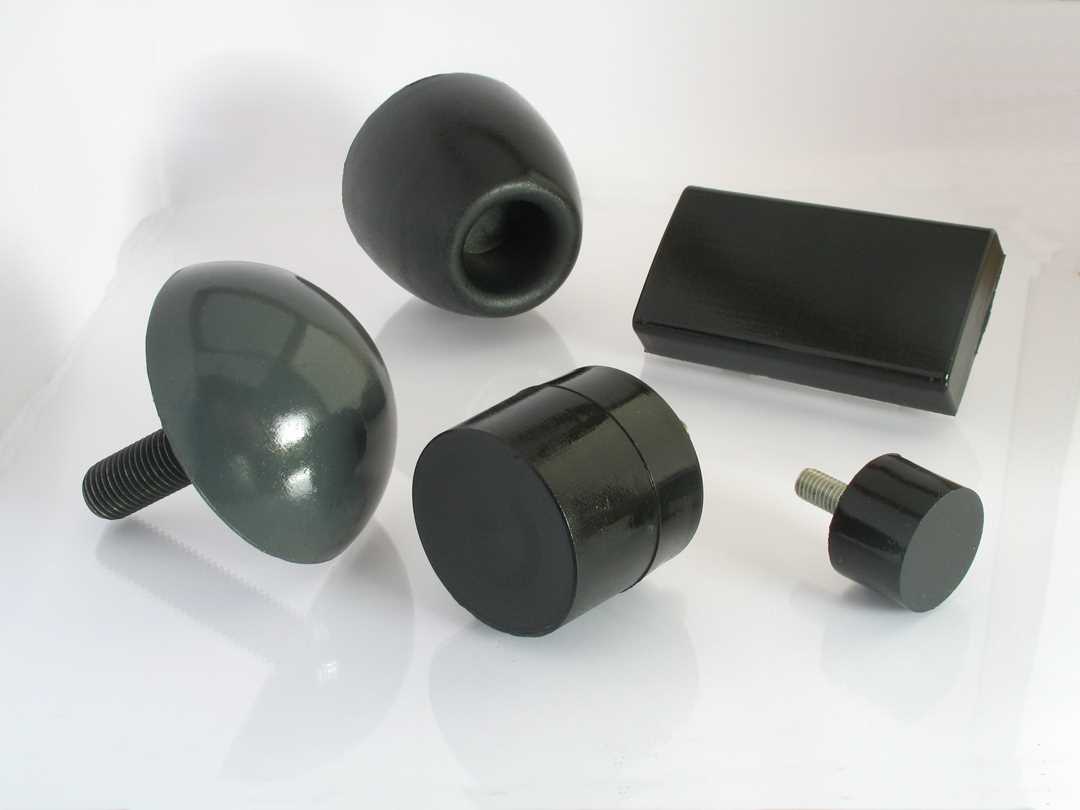
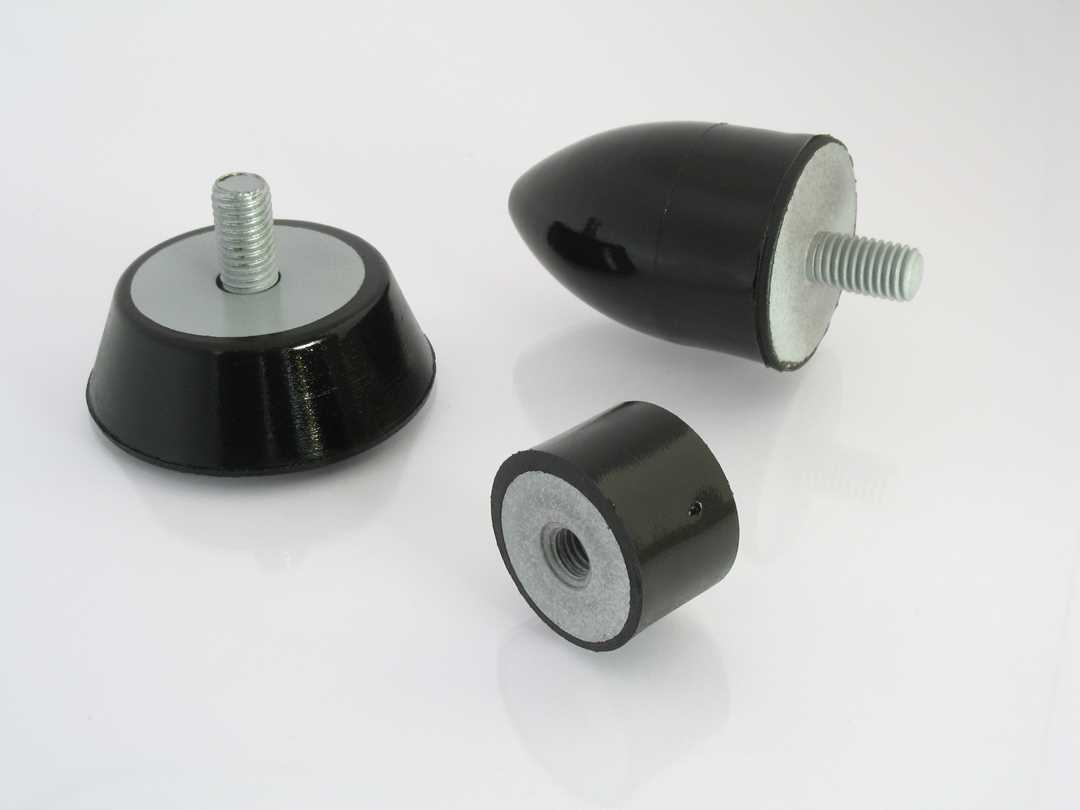
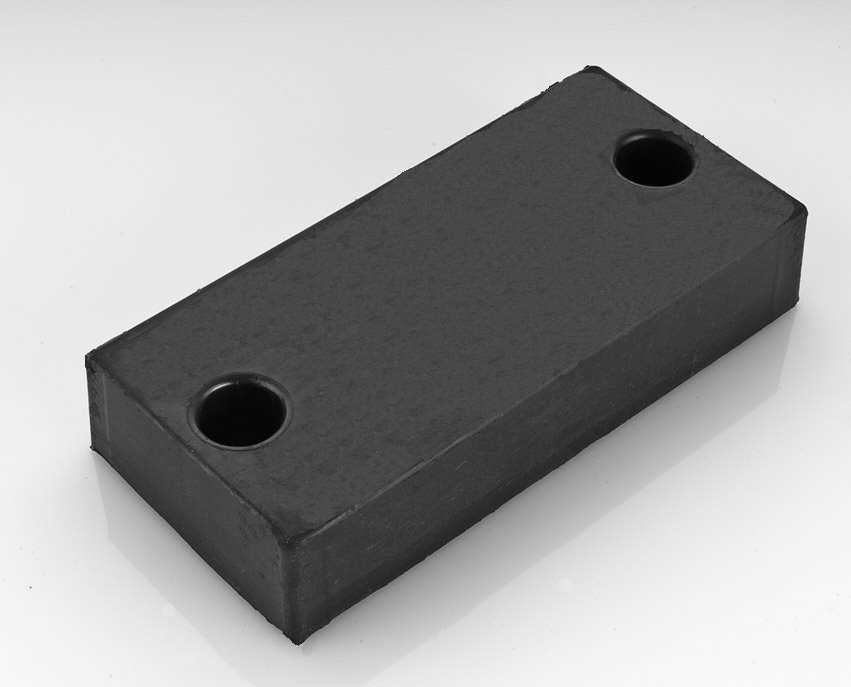
Barbieri Rubber’s rubber shock absorbers are molded elastic supports for vibration isolation and stable mounting of industrial machinery, equipment and systems. The catalog includes cylindrical, cone, parabolic and suction-cup rubber anti-vibration feet, with male or female threads in M6, M8, M10, M12 and beyond. All anti-vibration mounts are produced in NBR, EPDM and technical compounds selected for service life and aging resistance.
Rubber anti-vibration feet types
The catalog of rubber anti-vibration mounts is organized in four families. Cylindrical feet are the most common: maximum bearing surface, optimal load distribution and effective damping. Cone feet provide progressive loading and high lateral stability, suitable for precision machinery. Parabolic feet offer an optimized load curve with good static and dynamic behavior. Suction-cup feet guarantee stable grip on smooth surfaces with no mechanical fastening.
Threads and rubber anti-vibration mounts
Our anti-vibration mounts are available with threads in different metric sizes and, on request and with dedicated tooling, in special sizes. The range of rubber anti-vibration mounts for industrial machinery includes standard configurations and reinforced versions for higher loads. For severe vibration applications we select compounds with a good damping/elasticity balance (rubber silentblock with thread, industrial rubber vibration dampers).
Compounds and hardness for anti-vibration feet
Standard compound: SBR. Hardness is selected based on static load and vibration frequency: lower hardness gives more damping, higher hardness gives more stability. For aggressive environments (oils, solvents, high temperature) FKM (Viton®) and silicone (VMQ) are also available.
| Compound | Temperature range | Chemical resistance | Typical applications |
| NBR (Nitrile) | -40 / +130 °C | Mineral oils, fuels | Hydraulics, automotive |
| EPDM | -40 / +100 °C | Water, steam, ozone, UV | Hydraulics, outdoor, photovoltaic |
| VMQ (Silicone) | -60 / +200 °C | High temperature, biocompatible | Food, medical, high-T |
| FKM (Viton®) | -10 / +180 °C | Aggressive oils, solvents, fuels | Chemical, automotive, hydraulics |
| HNBR | -20 / +160 °C | Oil + high temperature | Heavy-duty hydraulics |
| NR / SBR | -50 / +90 °C | Good mechanical elasticity | Anti-vibration, general |
Standard and made-to-drawing anti-vibration feet
The catalog range of rubber anti-vibration feet covers the diameters and threads most requested on the B2B market. For specific loads, vibration frequencies or non-standard size constraints we manufacture rubber feet in other formats to drawing: at least a preliminary drawing is required for any custom production. The dedicated mold is built in cooperation with toolmaking partners.
FAQs
What are rubber anti-vibration feet for?
Rubber anti-vibration feet isolate the vibrations of a machine from the floor or support and provide stable mounting without rigid fastening. The result is reduced transmitted noise, lower stress on foundations and higher accuracy on precision equipment.
Which types of anti-vibration feet does Barbieri Rubber produce?
We produce four main types: cylindrical (maximum bearing surface), cone (progressive loading), parabolic (optimized load curve) and suction-cup (stable grip on smooth surfaces).
Which compound should I choose for the feet?
NBR is the standard compound for environments with mineral oils. EPDM suits outdoor environments or exposure to water and UV. FKM (Viton®) and silicone (VMQ) are available for more severe conditions (high temperatures, aggressive chemicals).
Can I order anti-vibration feet to drawing?
Yes. For non-standard sizes or threads we manufacture anti-vibration feet to drawing starting from the drawing supplied by the customer, even preliminary. The dedicated mold is built in cooperation with toolmaking partners.